First Solo Trip at 50? Here Are 10 Things You Should Know Before You Go
Hi friend.
So, you’re thinking about taking your first solo trip at 50. Maybe you’ve already opened seventeen tabs about destinations, safety, hotels, and what to pack.
And maybe you’ve also found about seventeen reasons to wait.
The timing isn’t right. You don’t know where to go. You’re worried you’ll feel awkward eating alone. What if something goes wrong?
I’ll be honest, those fears make sense. But they don’t get to make every decision for you.
Solo travel for women over 50 isn’t about pretending you’re fearless. It’s about learning how to move forward while you’re still a little nervous. That’s where the real growth happens, right?
Here are 10 things to know before you go.
1. You don’t have to start with a three-week international trip
Your first solo trip can be a long weekend three hours from home.
It can be a nearby city, a beach town, or a place where you already understand the language and transportation. You don’t need to prove anything by booking the most complicated trip possible.
Start with two or three nights. Choose one destination instead of trying to visit four. Stay somewhere with excellent reviews, a central location, and easy access to restaurants and transportation.
Starting small isn’t failure. It’s smart practice.
You’ll learn how you like to travel, how much structure you need, and what makes you feel comfortable. Those lessons will help you plan a longer trip later.
2. Choose a destination that supports your confidence
Some destinations are simply easier for a first solo adventure.
Look for walkable neighborhoods, reliable transportation, good healthcare access, well-reviewed accommodations, and activities designed for visitors. You might also choose a place where you can join a walking tour, cooking class, museum visit, or small group excursion.
That gives you connection without giving up your independence.
Before you book, research local customs, neighborhoods, common scams, weather, transportation, and how you’ll get from the airport or train station to your hotel. The U.S. Department of State travel checklist is a helpful place to review documents, entry requirements, and safety preparation.
Don’t just research the pretty photos. Research the practical details too.

3. Book the first part of the trip before you leave
Arriving somewhere unfamiliar and then searching for a hotel while tired is not the confidence-building exercise you need.
Book your first few nights in advance. If possible, arrive during daylight. Arrange an official taxi, reputable rideshare, or hotel transfer from the airport or station.
Save the accommodation address in your phone, but also write it down. Phones lose battery. Apps stop working. Wi-Fi disappears at exactly the moment you need it most.
A simple arrival plan can make a huge difference to your solo travel mindset. You’re not wandering around wondering what to do next. You already know where you’re going.
4. Safety planning isn’t pessimistic
Let’s talk about safety without turning it into a horror story.
Good safety habits don’t mean you’re expecting something terrible to happen. They mean you’re taking care of yourself before you need help.
Share your itinerary with someone you trust. Decide how often you’ll check in. Keep your passport, cards, and medications secure. Use reputable transportation, stay aware of your surroundings, and avoid walking alone in unfamiliar areas late at night.
You can also enroll in the Smart Traveler Enrollment Program if you’re a U.S. citizen traveling internationally. It allows you to receive destination updates and helps the nearest U.S. embassy or consulate contact you in an emergency.
And please trust your instincts. If a person, street, taxi, or situation feels wrong, leave. You don’t need to be polite. You don’t need to explain yourself.
Your safety matters more than someone else’s feelings.
5. Pack for the trip you’re actually taking
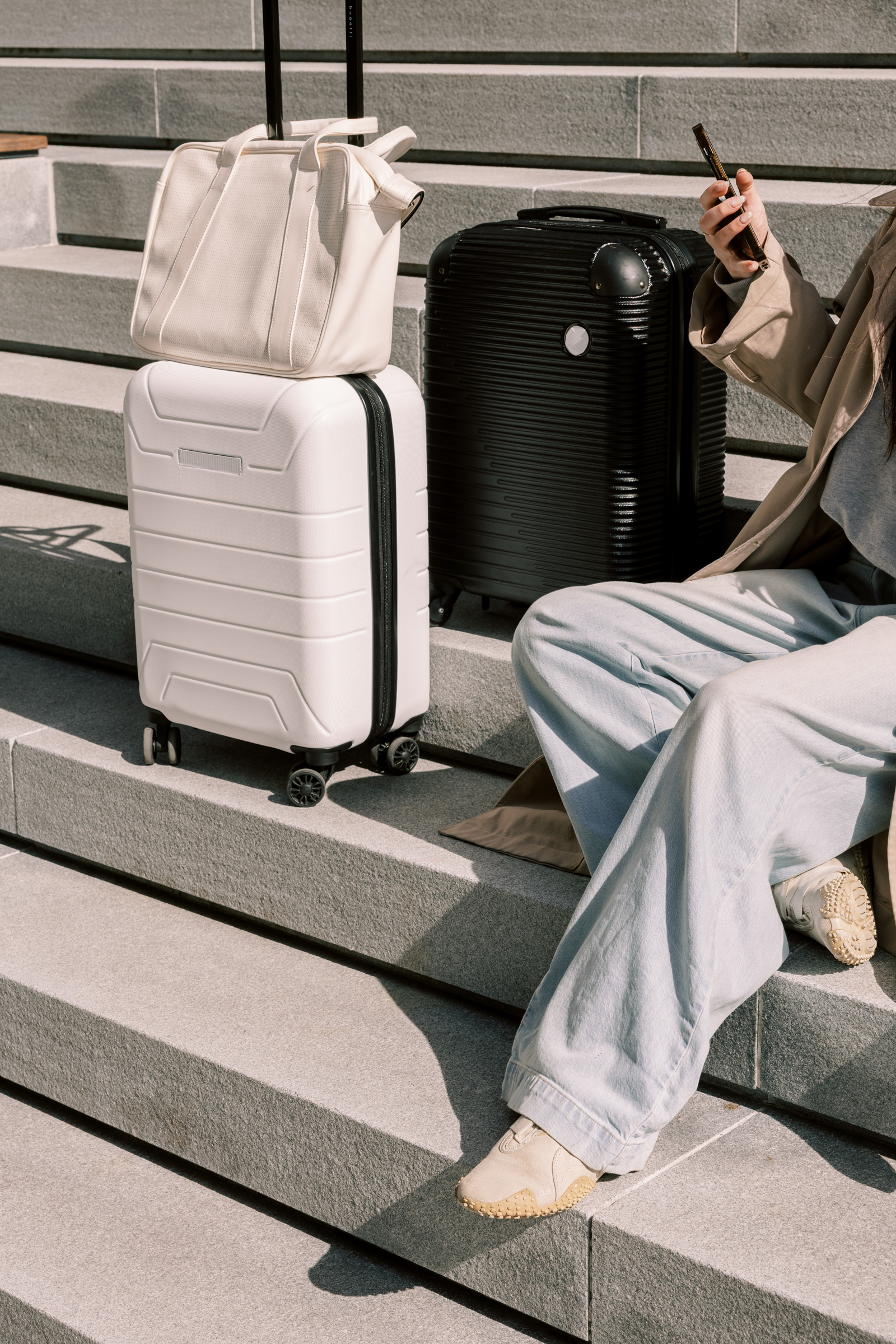
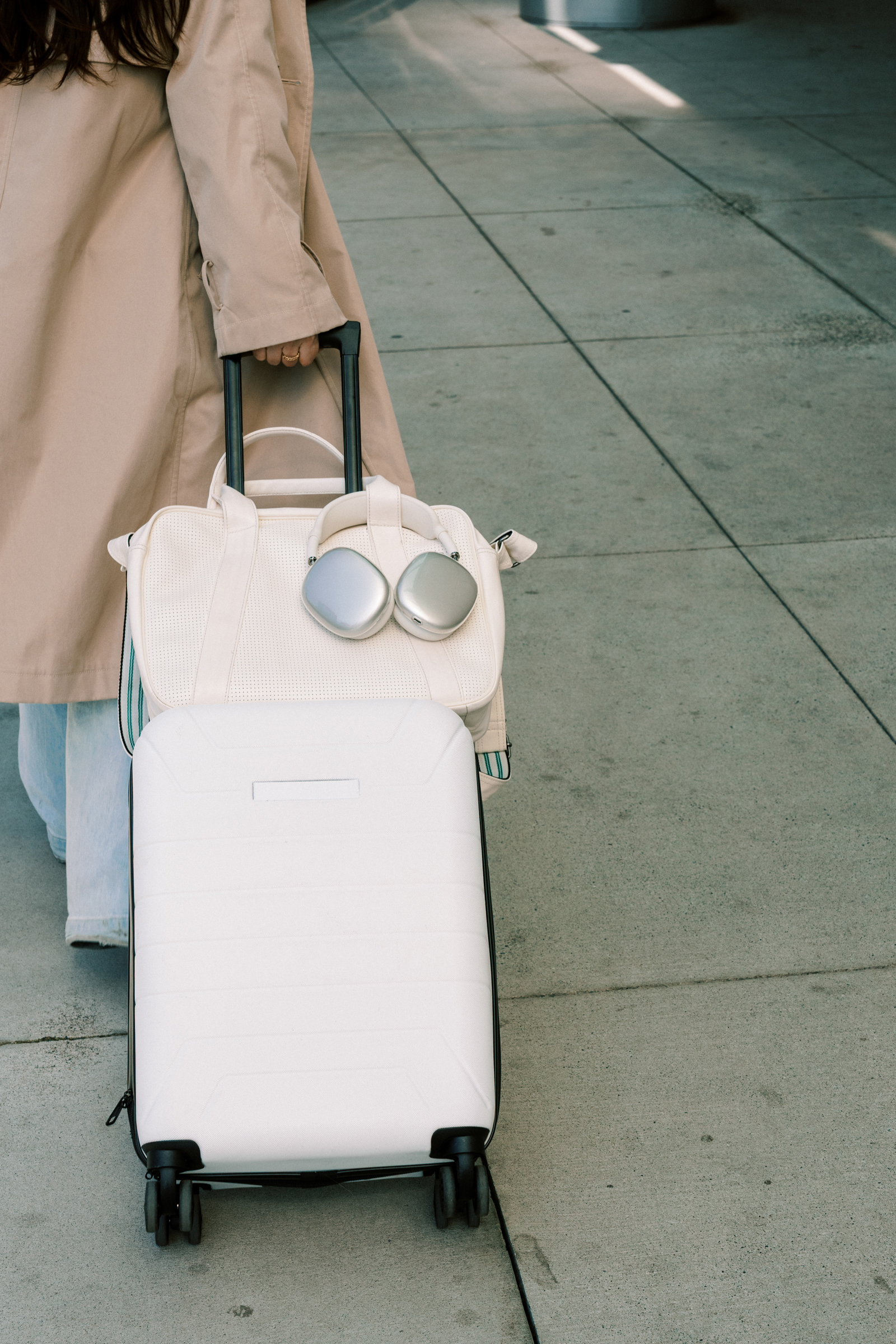
You don’t need six pairs of shoes and a suitcase that requires two people to lift.
Pack comfortable shoes, versatile clothing, layers, medications, copies of important documents, and a small crossbody bag that closes securely. Keep a second payment card separate from your everyday wallet.
If you take prescriptions, bring enough for the entire trip plus extra in case of delays. Keep medication in your carry-on, not only in checked luggage.
Travel insurance is worth considering, especially for international trips. Check whether it covers emergency medical care, evacuation, cancellations, and any pre-existing conditions.
The goal isn’t to pack for every possible disaster. It’s to make daily life easier.
6. Plan your first day gently
Please don’t schedule a sunrise tour, three museums, a cooking class, and a late dinner on the day you arrive.
Your first day should have breathing room.
Check in, unpack, take a short walk, find a nearby place to eat, and let your nervous system catch up with your itinerary. Travel can be exciting and exhausting at the same time.
If eating alone feels uncomfortable, go during an earlier or off-peak hour. Sit at the bar, choose a table outside, or bring a book or journal. You might feel awkward for the first five minutes. Then you’ll probably notice that most people are focused on their own meals.
You’re allowed to enjoy your dinner without waiting for someone else to join you.
7. You’ll probably have moments of doubt
This is one of the most important first time solo female travel tips: don’t interpret discomfort as a sign that you made the wrong decision.
You may get turned around. You may miss a train. You may sit on the edge of your hotel bed and wonder why you thought this was a good idea.
That doesn’t mean you can’t travel alone.
It means you’re doing something unfamiliar.
Pause. Take a breath. Check the map. Ask a staff member for help. Go back to the hotel if you need to reset. Problem-solving is part of the experience, and every small solution builds trust in yourself.
The confidence doesn’t arrive before the trip. It grows because you keep showing up during the trip.

8. You don’t have to be alone every minute
Solo travel doesn’t mean locking yourself away from everyone.
Join a guided tour. Sit near other travelers at a café. Take a class. Chat with a hotel staff member. Use a trusted travel community to find activities that feel comfortable.
You can have conversation and companionship without handing over control of your entire trip.
This matters because loneliness and independence are not the same thing. You can love your freedom and still want someone to talk to over coffee.
Create a balance that works for you. A quiet morning alone followed by a group activity might be perfect. Or maybe you’d rather spend the entire day exploring at your own pace.
There isn’t one correct way to travel solo.
9. Use travel as personal growth, not another performance
Your trip doesn’t need to look impressive online.
You don’t need to visit every landmark, take perfect photos, or come home with a story that makes everyone jealous. Travel for personal growth can be quieter than that.
Maybe you notice what you actually enjoy when nobody else is choosing the schedule. Maybe you realize you’re more capable than you thought. Maybe you stop apologizing for taking up space at a restaurant table.
Those moments matter.
Solo travel can show you where you still second-guess yourself, but it can also show you what you’re ready to trust. That’s why the mindset matters as much as the itinerary.
As One Girl Travel has shared before, overcoming fear in solo female travel often starts with research, small steps, intuition, connection, and staying present.
You don’t have to become a completely different woman. You just have to give yourself the chance to see what you can do.
10. You’re allowed to want this
This might be the part you keep avoiding.
Maybe you’ve spent years being responsible, dependable, practical, and available. You’ve cared for family, built a career, managed a household, supported other people, and handled difficult seasons.
So why does wanting a solo trip feel selfish?
It isn’t.
Wanting new experiences doesn’t mean you don’t love the people in your life. It means your life belongs to you too.
And if you’re feeling nervous, that’s okay. Confidence coaching for women often focuses on taking action before you feel completely ready, because waiting for perfect confidence can keep you stuck for years.
Start with one decision. Choose a destination. Take a weekend away. Book the room. Tell someone you trust.
Stop waiting for the fear to disappear. It might not.
Just show up anyway.

A simple first solo trip checklist
Before you go, make sure you’ve:
- Chosen a manageable destination
- Booked well-reviewed accommodation
- Planned your arrival transportation
- Checked passport and entry requirements
- Purchased appropriate travel insurance
- Shared your itinerary with someone you trust
- Packed medications and important documents in your carry-on
- Made paper and digital copies of your passport and insurance details
- Saved local emergency numbers
- Created a simple check-in plan
- Left space in your schedule to rest
And remember, you can always change your plans. You can leave an activity. You can order room service. You can take a taxi instead of public transportation. You can come home early if you truly need to.
Independence doesn’t mean forcing yourself through every uncomfortable moment. It means knowing you’re capable of making the next decision.
Your Voice Deserves to Be Seen
Your first solo trip at 50 doesn’t need to be perfect, dramatic, or impressive.
It just needs to be yours.
You’re not too old. You’re not behind. You don’t need anyone to give you permission to experience something new.
The thing is, your voice gets stronger every time you listen to what you want. And maybe this trip is one way of hearing yourself clearly again.
So, where would you go for your first solo trip? Share your destination, your biggest worry, or the one thing you’re excited about in the comments.
You’ve got this. You can do this.